

Informal group savings — susu, chama, tontine — have existed for generations with no structure, no accountability, and no app. We designed Vesties: a full-stack mobile platform that gives trusted groups a democratic, transparent, and governed way to pool money, borrow from the collective pot, and invest together — all from their phones.
Visit live website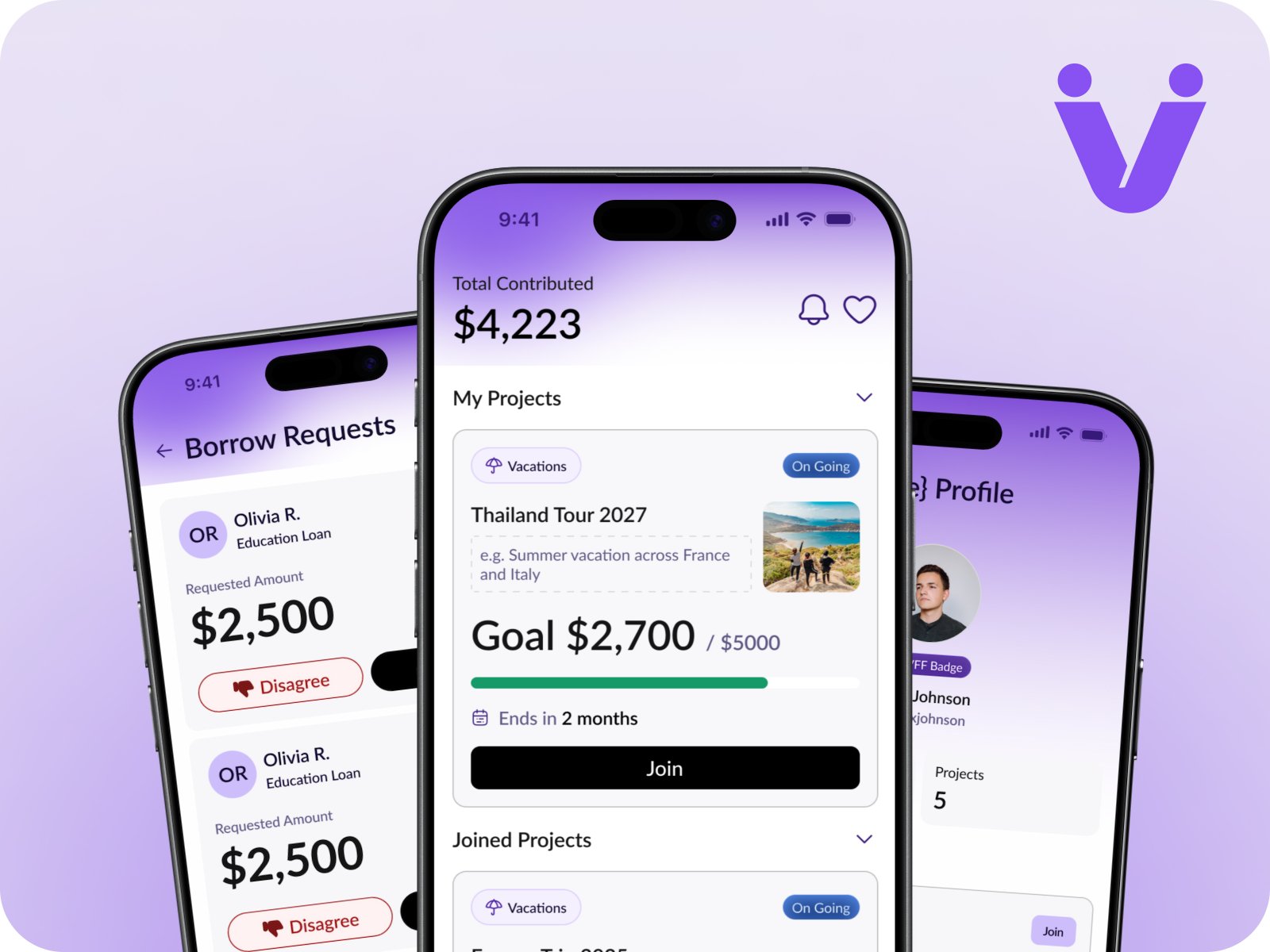
Screens Designed
Across all flows, states, and user roles
Project Types
Vacation · Emergency Fund · Group Investment
Notification Triggers
Real-time events across 8 notification categories
VFF Screens
Complete social trust network — a first in group finance
Industry
Fintech · Group Finance
Collaborative savings, borrowing & group investment
Services
End-to-End Design
UX flows · UI · Copy · Documentation · Patent Q&A
Timeline
14 Weeks
Strategy · UX Architecture · UI Design · Documentation
Team
6 Specialists
1 Strategist · 1 UX Designer · 1 UI Designer · 2 Flutter Devs · 1 QA
Technology
Flutter · Node.js
PostgreSQL · Stripe · Firebase · WebSocket · OAuth
Informal group savings practices — known globally as susu, chama, tontine, or pooling — are deeply embedded in how communities manage money together. Millions of people worldwide already pool funds with people they trust. But every version of this practice shares the same critical flaw: there is no structure, no governance, and no accountability built in.
The financial technology industry has spent two decades building savings and investment tools for individuals. Solo budgeting apps, solo investment accounts, solo wallets. The collaborative, trust-based nature of how many communities actually handle money was completely ignored by the mainstream fintech world.
There was also no solution for the specific problem of group borrowing — where a trusted member needs short-term access to pooled funds but the group has no mechanism to vote on, approve, or track the request transparently.
The core problem: No platform existed that combined structured group savings, democratic peer governance, group investment with distributed returns, and a social trust network — all in a single mobile app designed specifically for the communities that already operate this way.
A purpose-built system designed around the specific constraint — not a generic tool configured to fit.
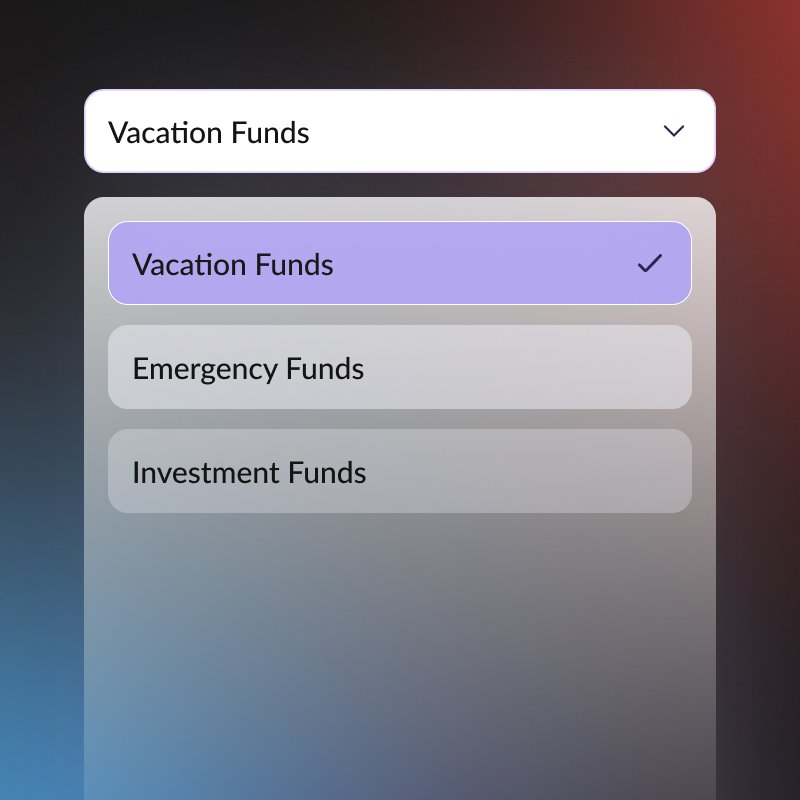
Group Leaders create a project in three steps: set the goal, configure settings specific to the project type, then review and publish. Each of the three project types — Vacation Fund, Emergency Fund, and Group Investment — has a distinct setup flow, copy, and outcome logic. The intent amount popup opens the creation flow with a type-specific question before any other details are entered.
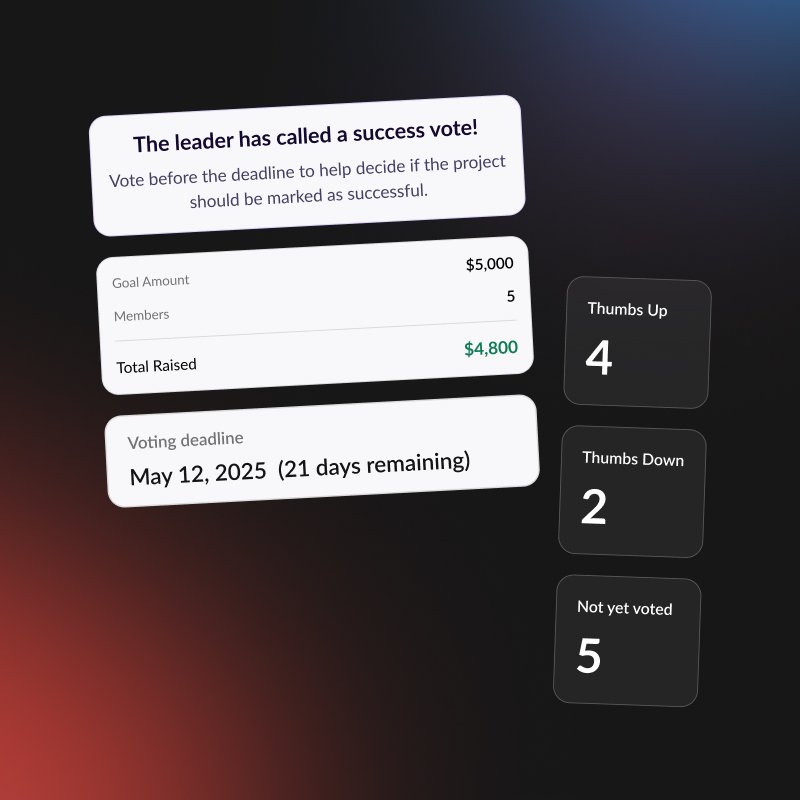
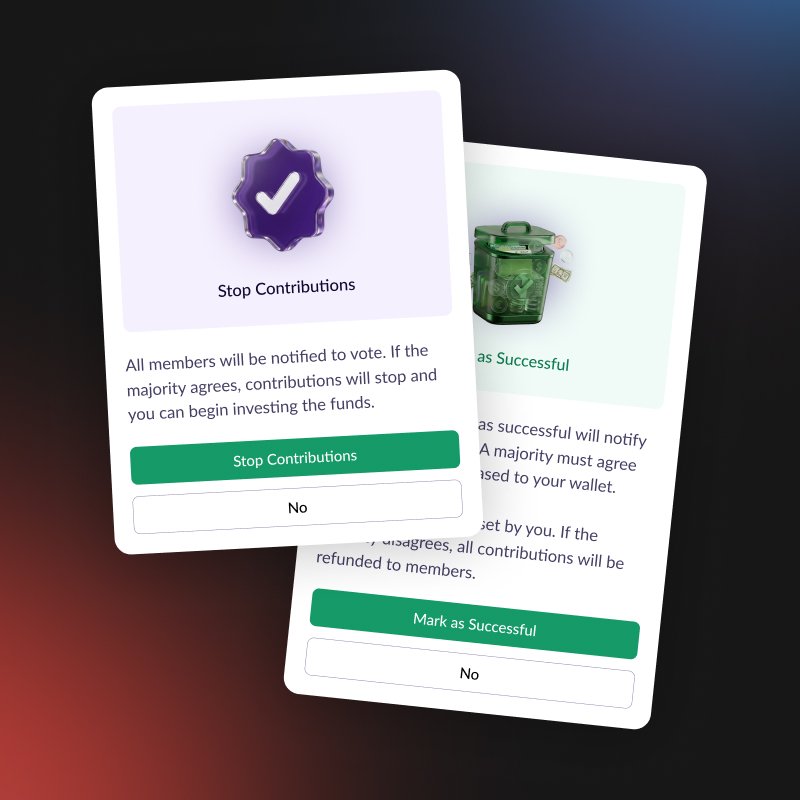
No single person has unilateral control in Vesties. Borrow requests, project success, stop-contribution approvals, and investment closure all require a 48-hour member vote. Non-voters automatically count as No after the window closes. The Group Leader cannot vote on their own project's success vote. Every outcome is governed by the group — not by the person with the most power.
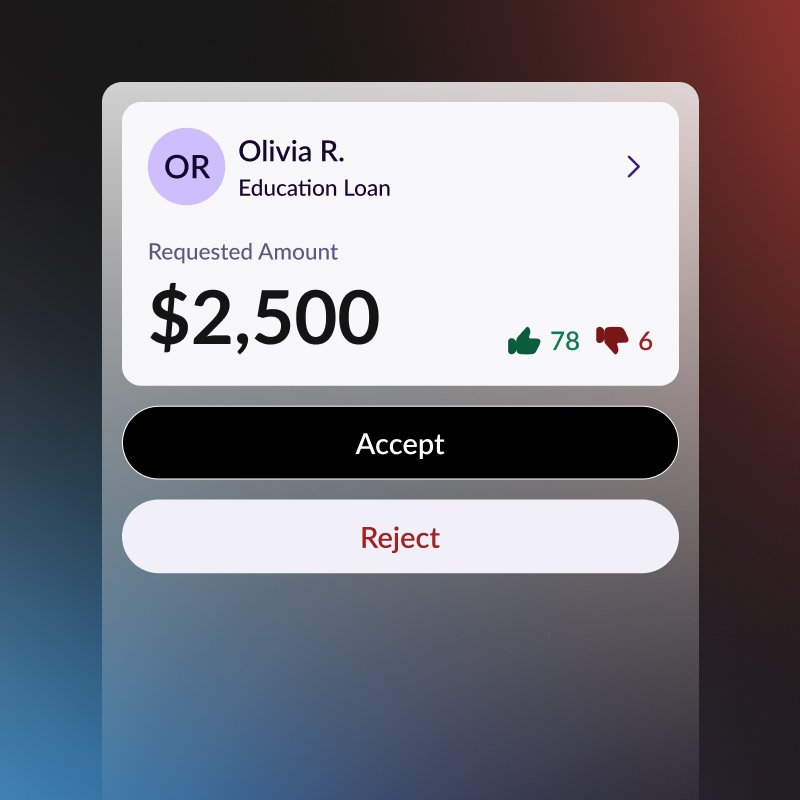
If the Group Leader enables borrowing at project creation, any member can submit a borrow request against the shared pot. The request triggers a group vote: all active non-GL members have 48 hours to agree or disagree. If the majority agrees, the Group Leader reviews and makes the final decision. Repayment terms and penalties are set by the GL at project creation.
VFF is Vesties' built-in social trust network — the feature that has no equivalent anywhere else in fintech. Members who share a project can send each other a VFF request (mutual, not a one-way follow). Once connected, VFFs can see each other's joined projects, join or request to join those projects, and invite each other directly into new projects via a multi-select bottom sheet.
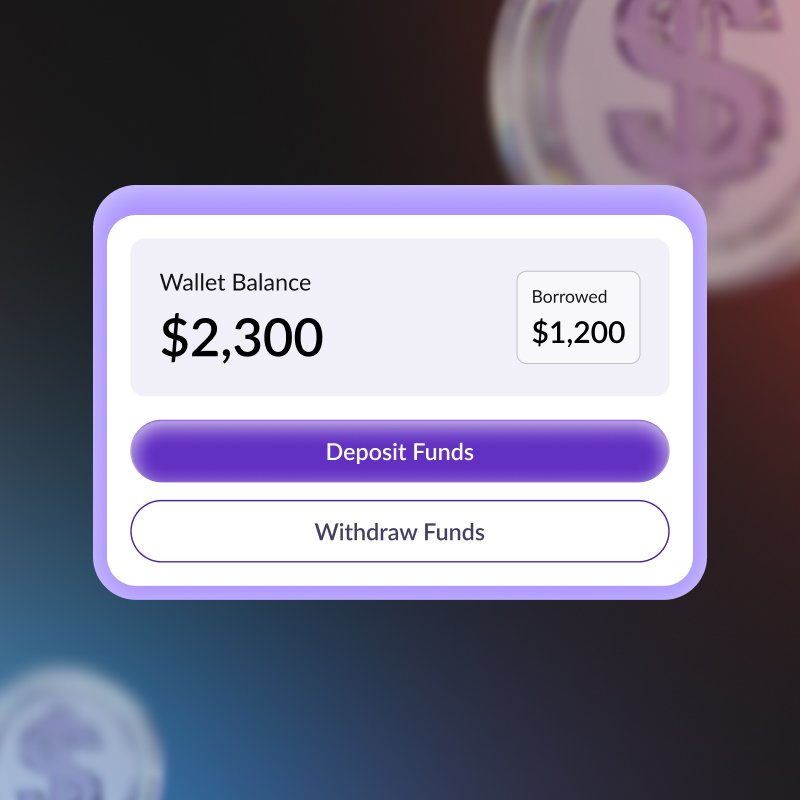
Every Vesties user has an in-app wallet that ties all financial activity together. Members deposit funds via saved payment cards processed by Stripe, contribute to projects directly from their wallet balance, receive payouts and refunds, and withdraw available balance to their bank account. The wallet also handles borrow repayments and penalty deductions.
Group Investment uses a two-stage member vote: Vote 1 lets members approve the Group Leader taking the pooled pot to invest externally. Vote 2 happens after the leader has distributed returns — members confirm receipt of their funds with ROI, permanently closing the project. The platform distributes returns proportionally by member contribution.
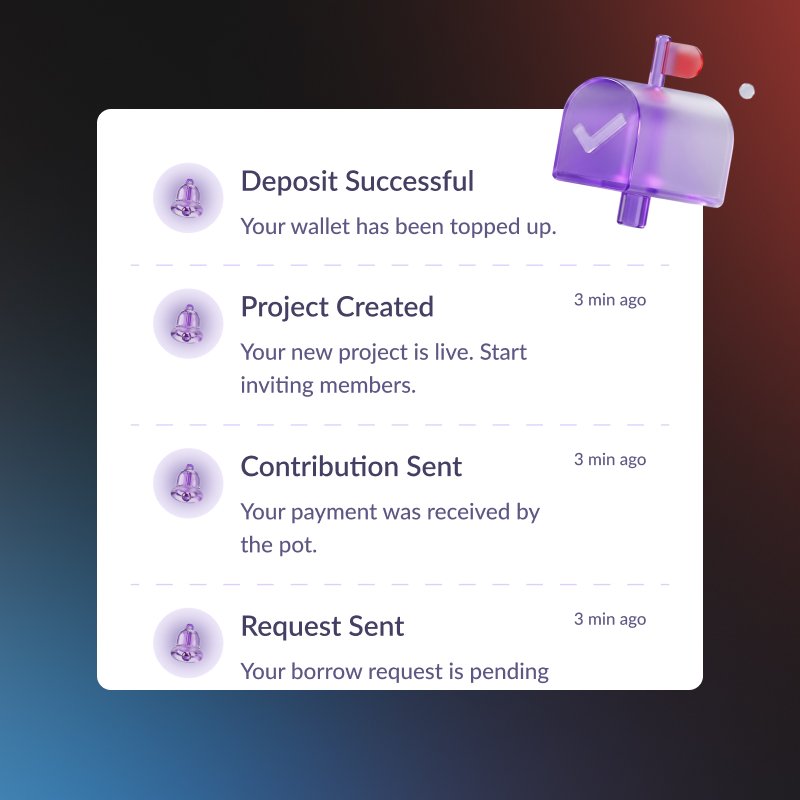
Vesties' notification system covers every meaningful event — a contribution received, a vote opened, a borrow approved, a penalty applied, a VFF request received, a project funded. 48 distinct trigger events ensure members are never out of the loop and leaders always have the oversight they need.
No bolt-on integrations. Every tool chosen for the specific constraints of this project.
Vesties went from concept to a fully designed, documented, and patent-ready mobile application — 159 screens across 18 feature areas, covering every user role, every edge case, and every flow from first launch to group investment closure.
Every screen was designed with production-quality microcopy, every state was accounted for — empty states, error states, loading states, success states — and every user role was given the precise level of access and visibility that their role requires: no more, no less.
The democratic governance model is what makes Vesties genuinely new. No single user — not even the Group Leader — can take an irreversible financial action without the group's consent. The voting mechanic, with its non-voter-as-No rule and 48-hour window, creates accountability by default rather than relying on good intentions.
Before
After
“The problem with group savings has never been the people — it's always been the process. Vesties gives the group a process: structured contributions, a democratic vote before money moves, and a social layer that grows the trust network every time a project succeeds.”
Vesties
Product Vision Statement
No pitch. No pressure. Tell our AI about your challenge — it will match you with the most relevant solution and show you exactly how we'd approach it.
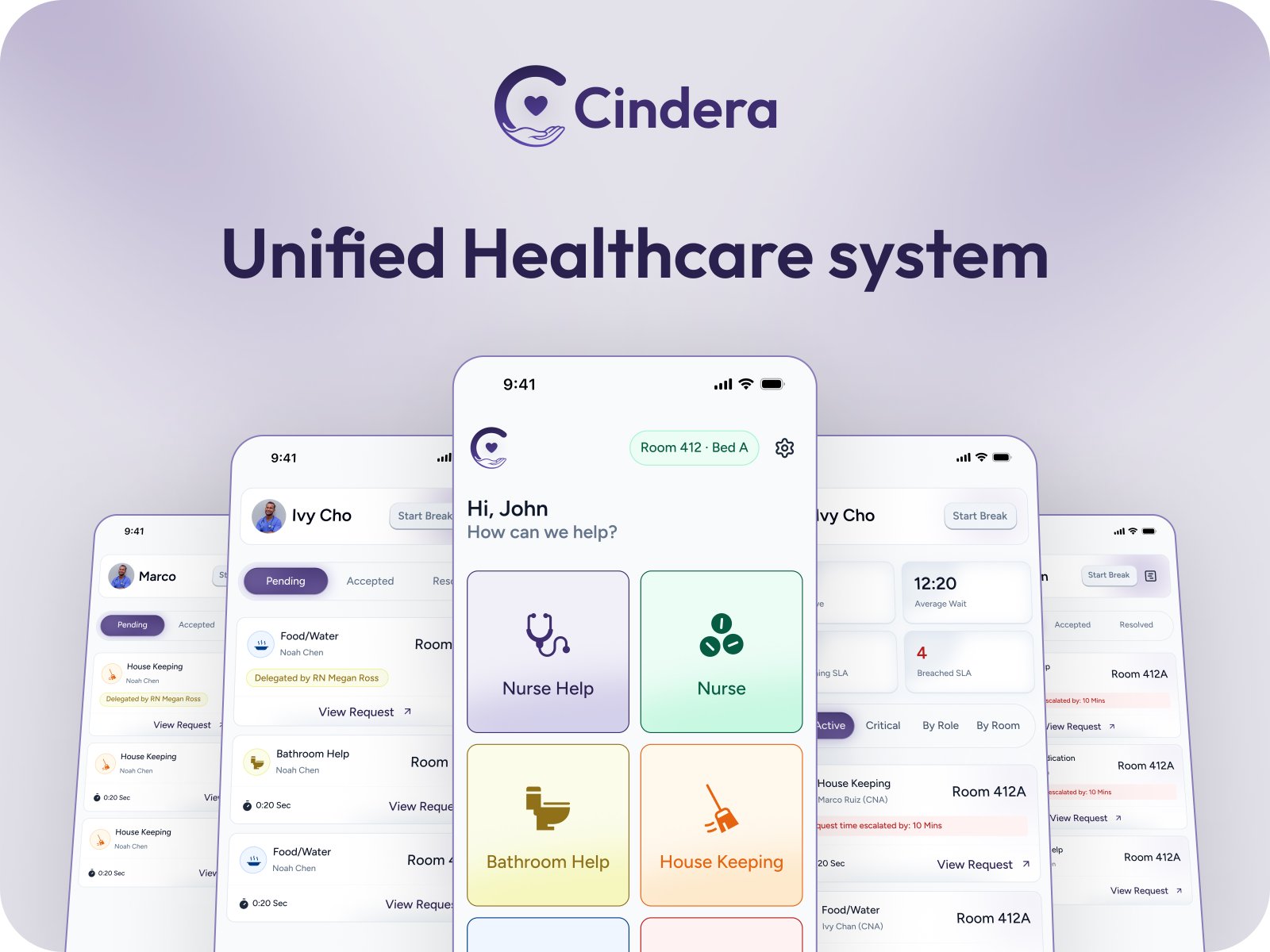
Cindera is a BYOD patient communication platform that lets hospitalized patients submit categorized requests from their own phones, routes each request to the right staff role, and gives patients real-time visibility from "sent" to "resolved."
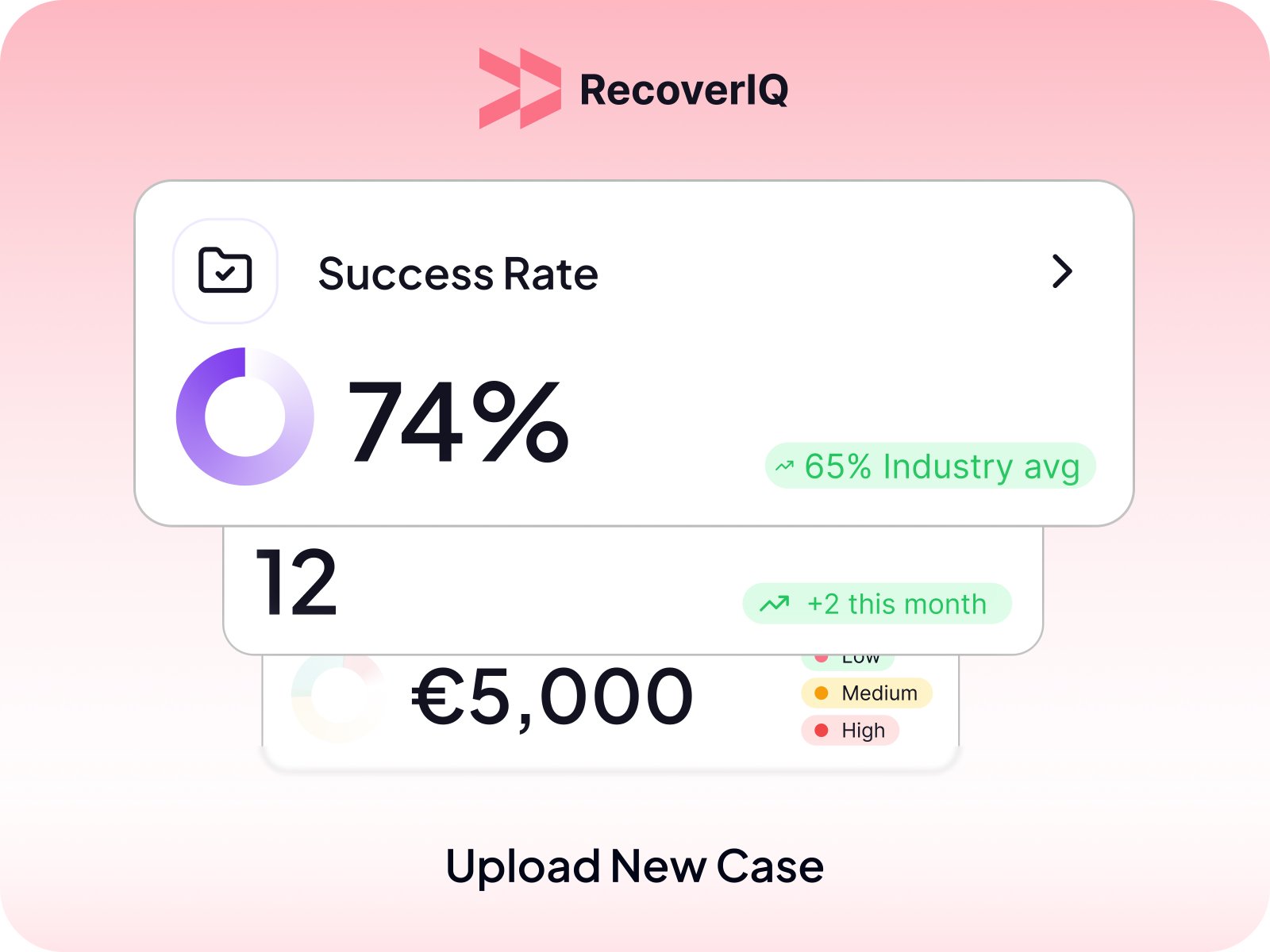
The client had the world-class legal network but no digital product. We built RecoverIQ — an AI-powered platform that assesses any overdue invoice's recovery probability using 111 indicators, generates a customised success fee in real time, and activates a global collection mandate with a single e-signature. Zero upfront cost. No legal expertise required.